
Methodological Paper Series
A key product of the TSG, this set is EGRISS input to ongoing debates and does not constitute consensus or represent official views.

Diverse Membership
National statistcal systems, academia, and regional and international organisations.

Ongoing Coordination
Members meet virtually at appropriate intervals to continually reviewing progress, share information, and address any problems.
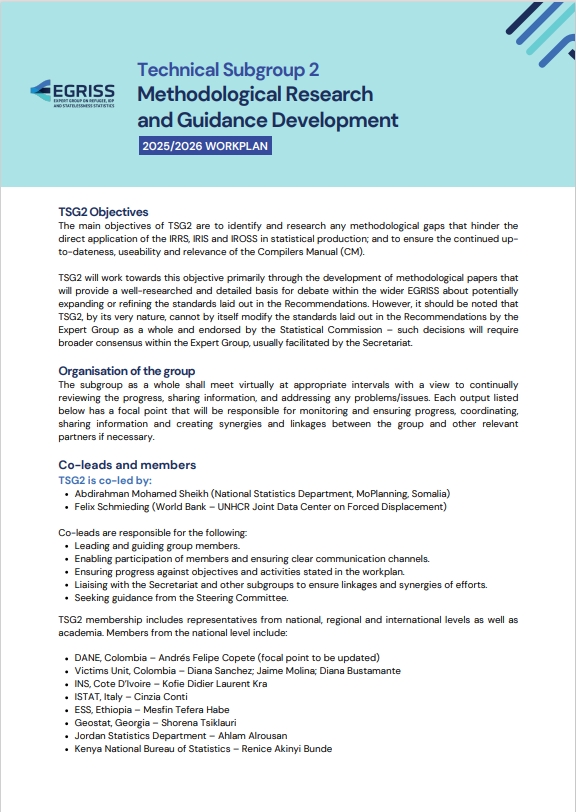
The Technical Subgroup 2 brings members together to advance EGRISS methodological objectives and ensure that relevant guidance is available to support countries in implementing the International Recommendations on Refugee, Internally Displaced Persons, and Statelessness Statistics (IRRS, IRIS, and IROSS). Within the framework of the global workplan, members collaborate in small task teams to produce collective outputs. The subgroup identifies and examines methodological gaps that may hinder the practical application of the Recommendations in statistical production, while ensuring that EGRISS tools remain up to date, usable, and relevant.
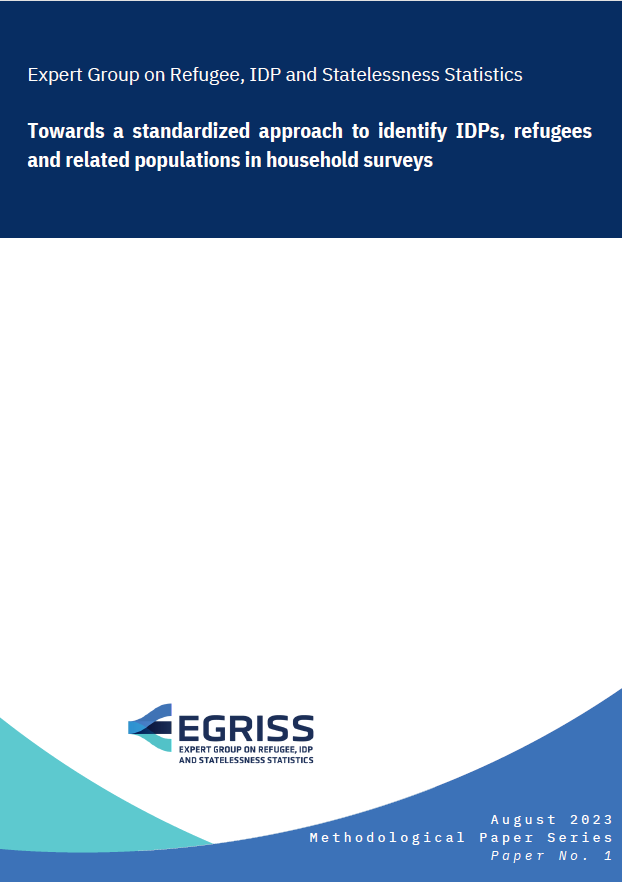
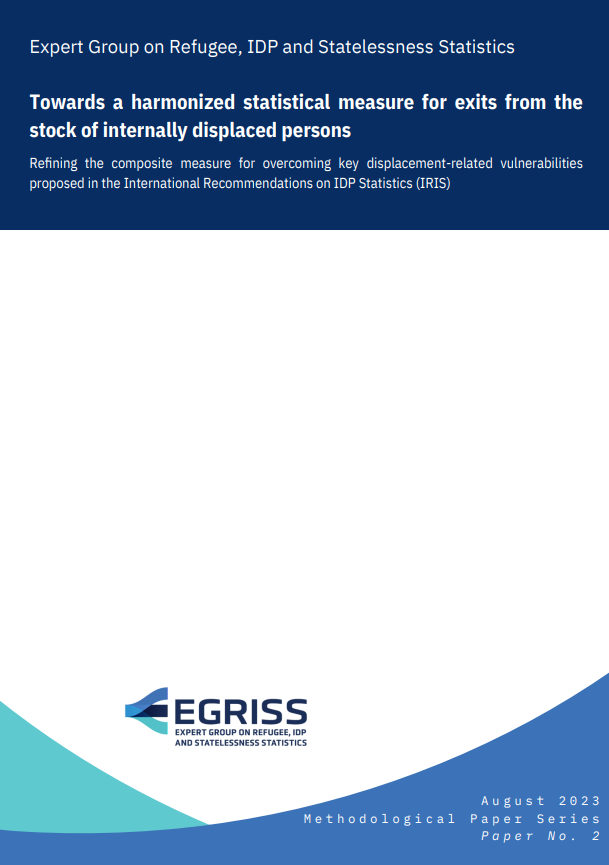
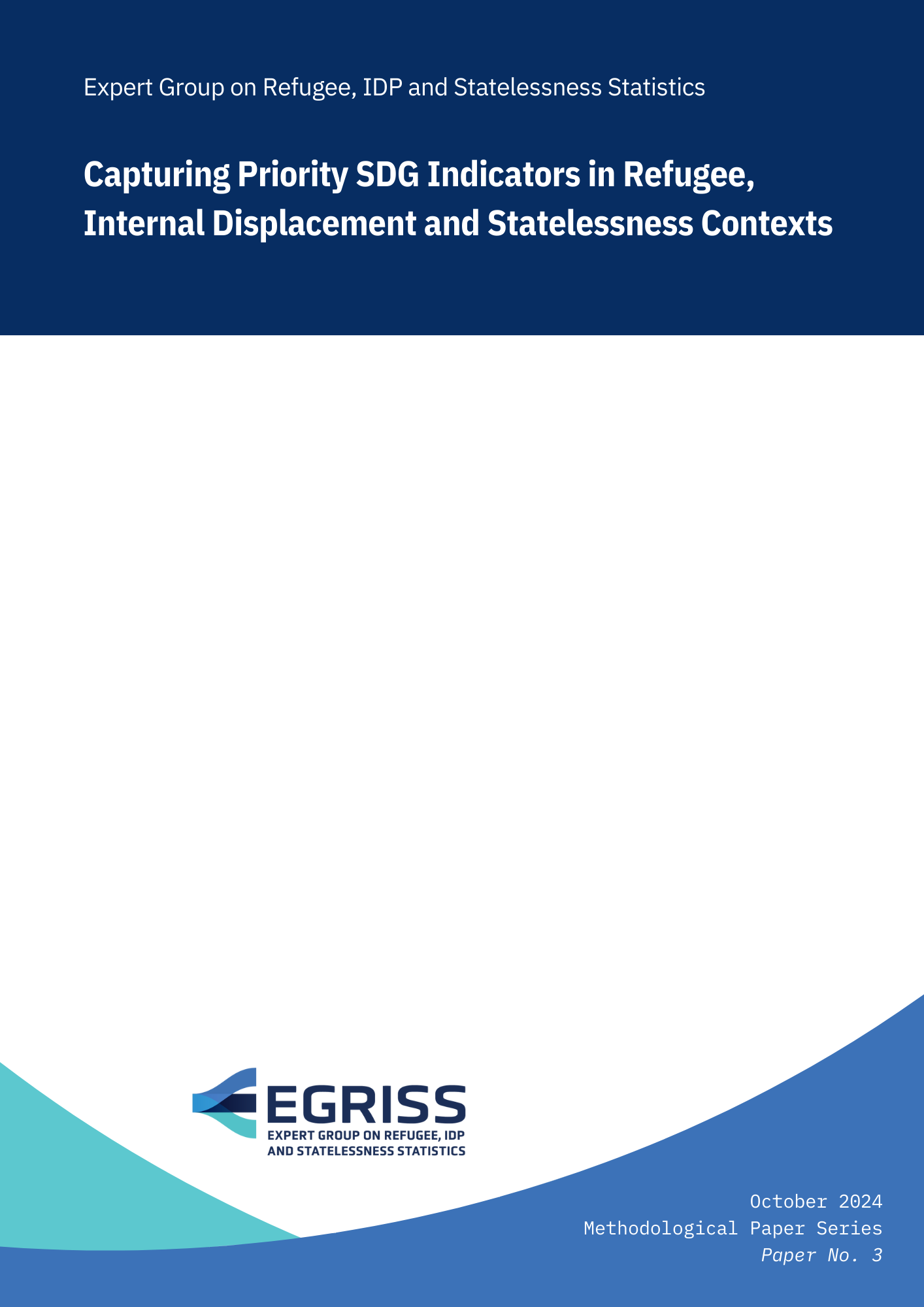
This work is primarily carried out through the development of methodological papers, which provide a solid evidence base for discussion within EGRISS and inform potential refinement or expansion of the existing statistical standards.
Learn more about the subgroup's activities
EXPLORE
Relevant documents
Members of the subgroup
Representatives from National
Statistical Systems
- Central Statistical Agency (CSA), Ethiopia
- Unidad para las Víctimas, Colombia
- National Statistics Office of Georgia (Geostat), Georgia
- Kurdistan Regional Statistics Office (KRSO), Kurdistan Region of Iraq
- Institut National de la Statistique (INS), Cote d’Ivoire
- State Statistics Service, Ukraine
- Statistics Poland, Poland
Representatives from Academia, and Regional and International Organizations
- African Union (AU)
- Georgetown University, United States
- International Labour Organization (ILO)
- International Organization for Migration (IOM)
- Joint IDP Profiling Services (JIPS)
- Organisation for Economic Co-operation and Development (OECD)
- United Nations Economic and Social Commission for Asia and the Pacific (UN-ESCAP)
- United Nations Children’s Fund (UNICEF)
- United Nations Economic and Social Commission for Western Asia (UN-ESCWA)
- United Nations Educational, Scientific and Cultural Organization (UNESCO)
- United Nations High Commissioner for Refugees (UNHCR)
- United Nations Relief and Works Agency for Palestine Refugees in the Near East (UNRWA)
- United Nations Statistics Division (UNSD)
- World Bank
Learn more about other subgroups: