
UN-endorsed
Formally endorsed by the UN Statistical Commission in 2018 (Decision 49/115).

Available in Five Languages
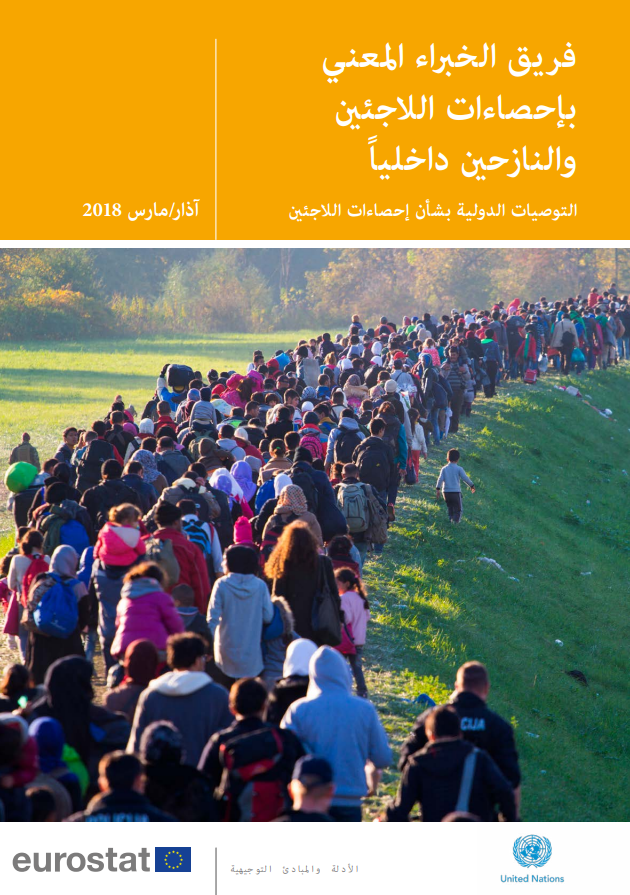
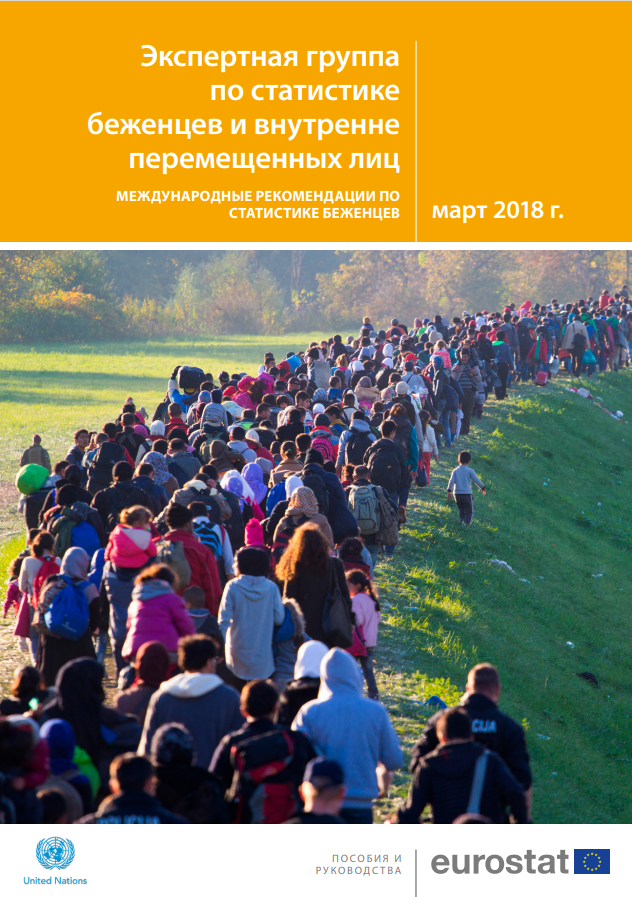
Also published in French, Spanish, Russian, and Arabic.

Collaborative Development
Produced with national authorities and international agencies.
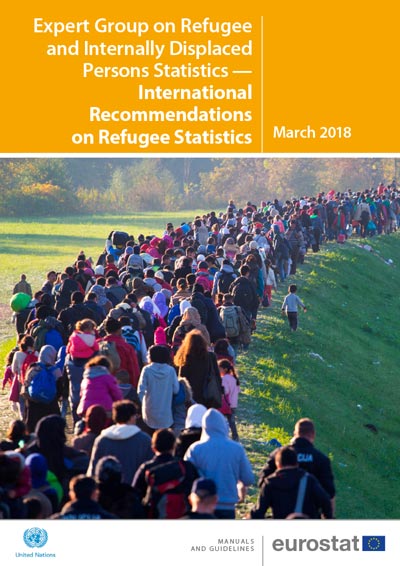
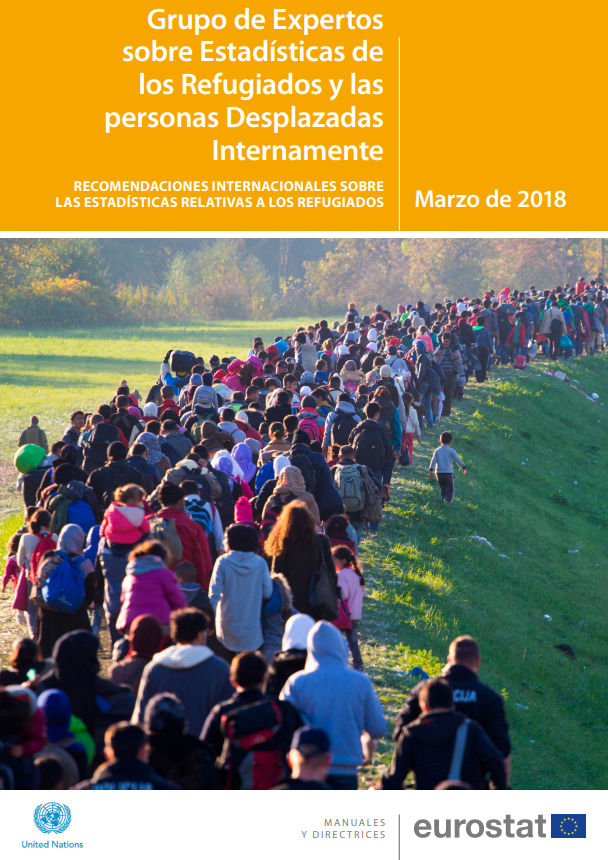
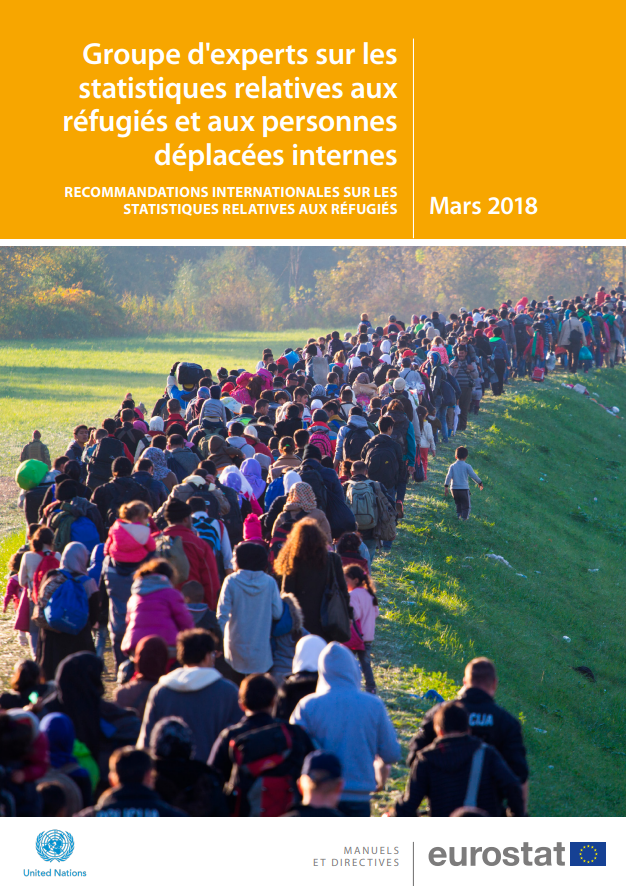
The International Recommendations on Refugee Statistics (IRRS), adopted by the United Nations Statistical Commission in March 2018 (Decision 49/115), provide a set of specific recommendations that countries and international organisations can use to improve the collection, collation, disaggregation, reporting, and overall quality of statistics on populations forcibly displaced across borders.
The recommendations are intended to help improve national statistics on the stocks and flows and characteristics of refugee and refugee related populations, and to help make such statistics comparable internationally.
The IRRS were developed through a collaborative process including national authorities and international agencies responsible for statistics on forced displacement. The document embraces recommendations on refugees, asylum seekers and related populations, and represents an important milestone as it showcases:
LEARN MORE
Additional Resources
LEARN MORE
Implementation progress
Read more about how countries and institutions have started to apply the recommendations to harmonize definitions and concepts, include refugees and IDPs in national data collection exercises, build capacity and improve the coordination between different stakeholders working in the area.