Who Is It For

Who Is It For

National Statistical Offices, government agencies, and partner institutions working on forced displacement data.

Living Document

Living Document

Periodically revised as expertise and knowledge develops globally, currently being updated to include the IROSS.
UN Endorsed

UN Endorsed

First draft welcomed by the UN Statistical Commission in Decision 51/116 (2020); updated edition published 2023.

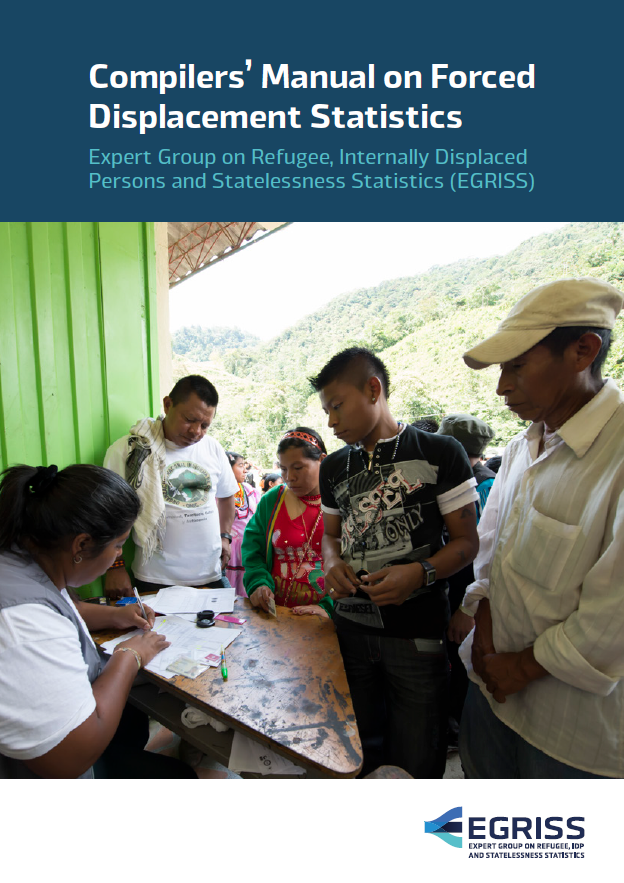
The EGRISS Compilers’ Manual (CM) offers clear technical guidance to support countries to improve official statistics on refugees, IDPs and related populations. It complements the content of the International Recommendations on Refugee Statistics (IRRS) and the International Recommendations on Internally Displaced Persons Statistics (IRIS), providing hands on guidance for practitioners.

The CM is periodically revised to reflect developments in statistics and forced displacement. Its first version was presented and formally welcomed by the UN Statistical Commission (Decision 51/116). The 2023 revision has been led by EGRISS’ Technical Subgroup on Methodological Research and Guidance Development and is structured around a series of Use Cases covering most scenarios where National Statistical Offices will consult the International Recommendations. You can choose to download individual Use Cases or access the entire Manual. Case study examples of good practice are interwoven throughout.

In 2026, the CM is being updated to include the International Recommendations on Statelessness Statistics (IROSS) and lessons learnt.
Building Statelessness-Sensitive ID Systems

EXPLORE

Use Cases

For statisticians who are planning to improve data on refugees or IDPs but do not have a specific data source in mind, Table G.1 (paragraph 228) may serve as a starting point.

A. Including refugees or IDPs in a population census
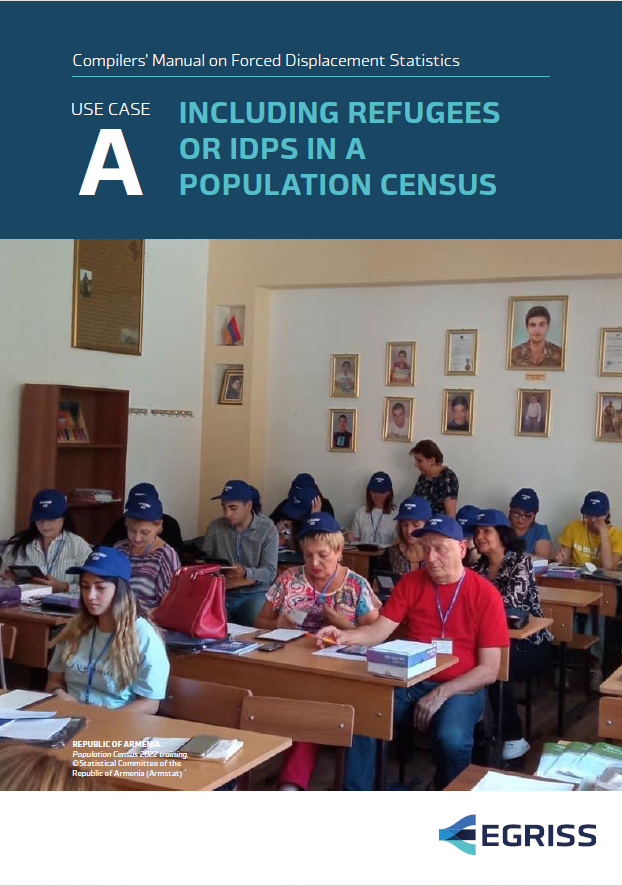
 

This Use Case describes how displaced populations can be included in a population census. As a a key data source providing benchmarks of the population residing in a country at a certain point in time, censuses represent an opportunity to produce accurate statistics on stocks of refugees and IDPs, analysis of their characteristics, and comparisons with the wider population.

B. Including refugees in a sample survey of the national population, or running a stand-alone survey of refugees
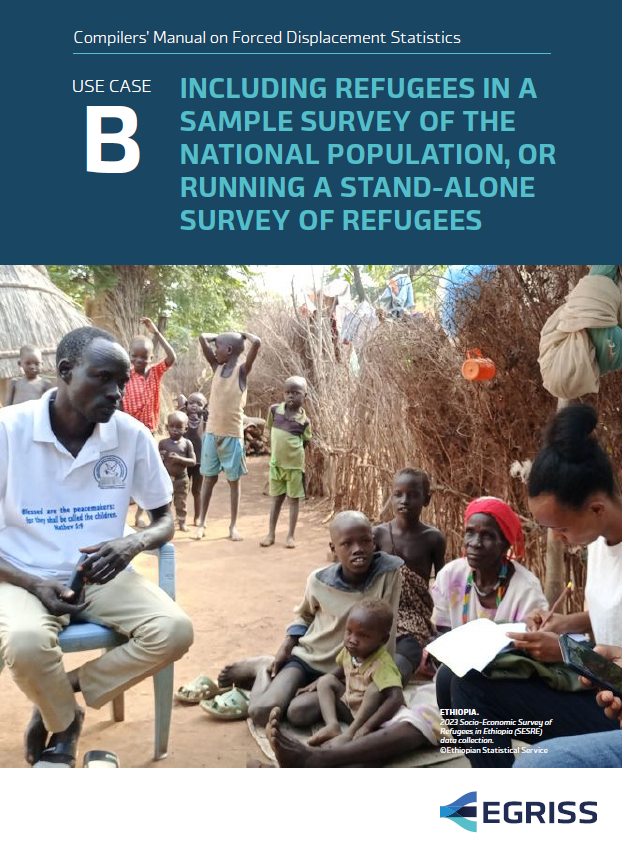
 

This Case describes how refugees can be included in a sample survey of the national population allowing refugees to be compared with other groups and how to run a stand-alone survey of refugees, which has the potential to collect broader and deeper information. The two options are not mutually exclusive, and countries may decide to implement a complementary mix.


C. Including IDPs in a sample survey of the national population, or running a stand-alone survey of IDPs
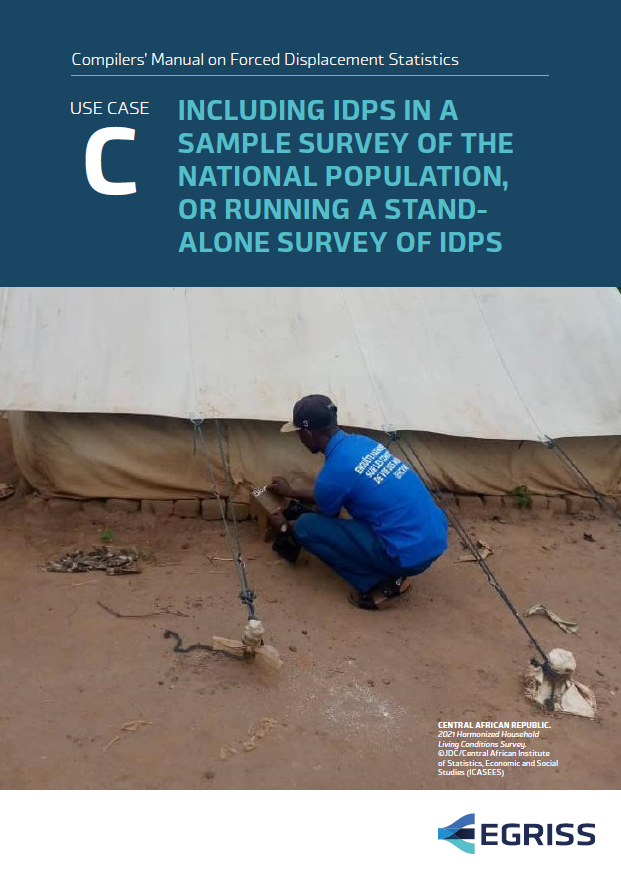
 

This Use Case shows how Internally Displaced Persons (IDPs) can be included in a sample survey of the national population and how to run a stand-alone survey of IDPs. It provides a detailed discussion of pros and cons of the two approaches, which are not mutually exclusive.

D. Using Government administrative data
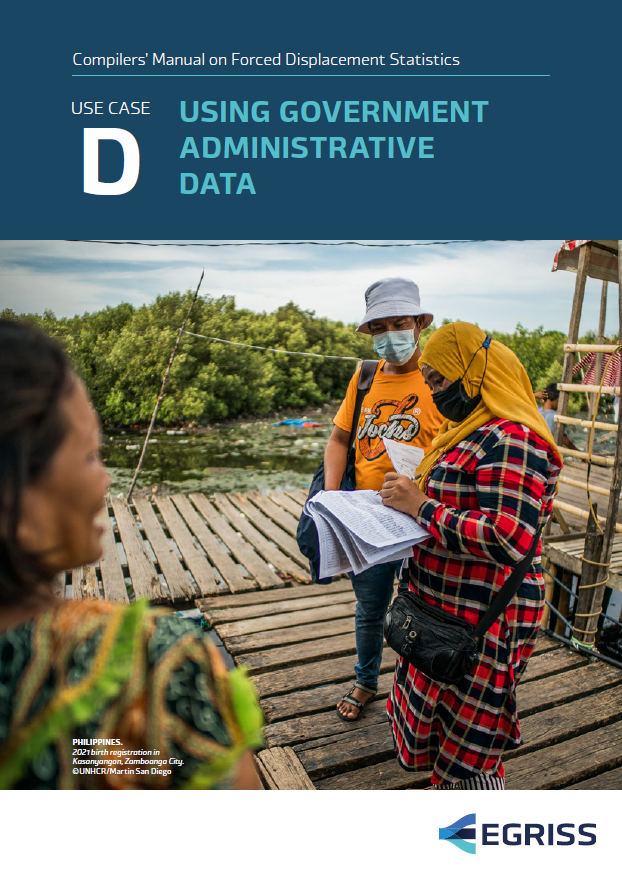
 

This Use Case describes how government administrative data sources can be used in the production of official statistics on displaced populations. Administrative data are a useful source of information for measuring both the stock of displaced populations and the flows, showing the direction of displacement trends, and potentially for developing sampling frames.


E. Sources of operational data from humanitarian organisations
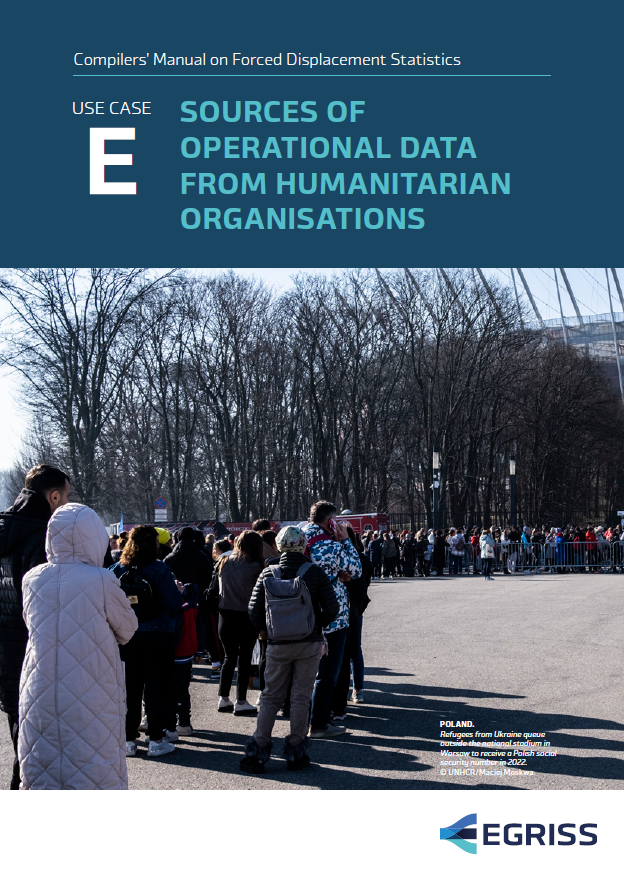
 

This Use Case provides a brief overview of major data sources maintained by humanitarian organisations, which may be useful to inform and complement government official statistics on refugees and IDPs. Operational data are often not collected for statistical purposes, so there can be no default expectation that they meet the standards set for official statistics. Before any use within the realm of official statistics, they should be assessed using statistical data assessment tools, such as the UN Statistics Quality Assurance Framework.

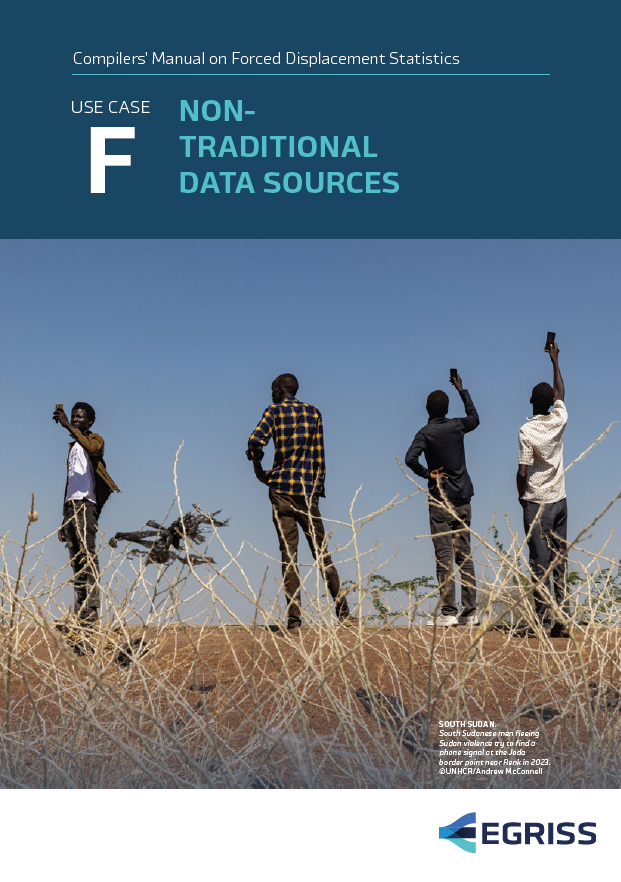
F. Non-traditional Data Sources


The potential value of non-traditional data in relation to displaced people is significant to fill gaps in understanding around the number and location of displaced people in rapidly evolving situations or to provide information that can improve sampling frames for surveys. However, it is important to be aware of the limitations and caveats that apply across most of these sources. This Use Case describes the range of non-traditional data sources that may support the production of official statistics on displaced populations.


G. Coordinating and planning refugee and IDP statistics in national statistical systems
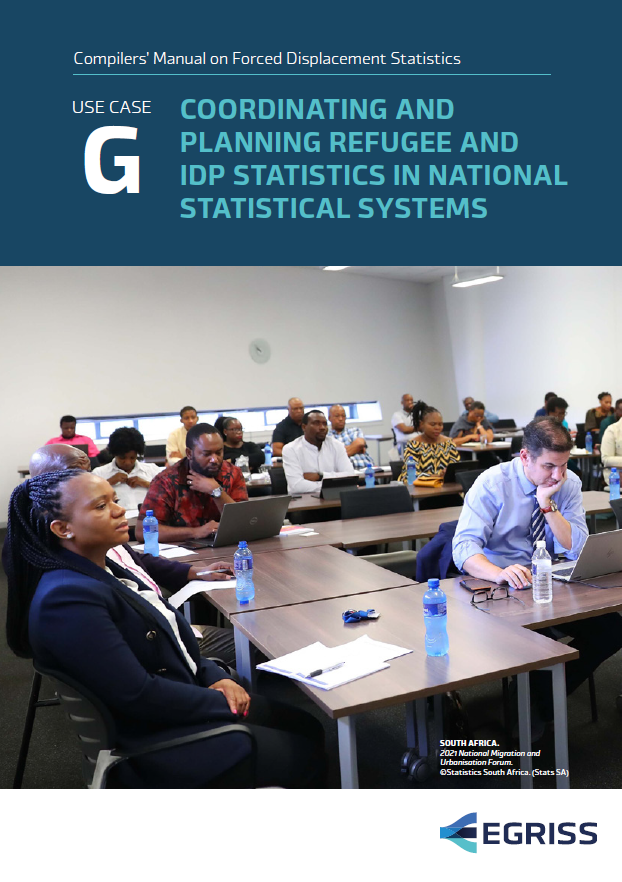
 

While each individual source presented in the Use Cases A-F is valuable, greater value can be derived from taking a holistic approach to refugee and IDP statistics across the national statistical system, and coordinating across government and more widely to ensure that the needs of users are understood and met in the fullest way possible. This Use Case describes the key points to consider when coordinating refugee and IDP statistics in national statistical systems.