5th March 2026
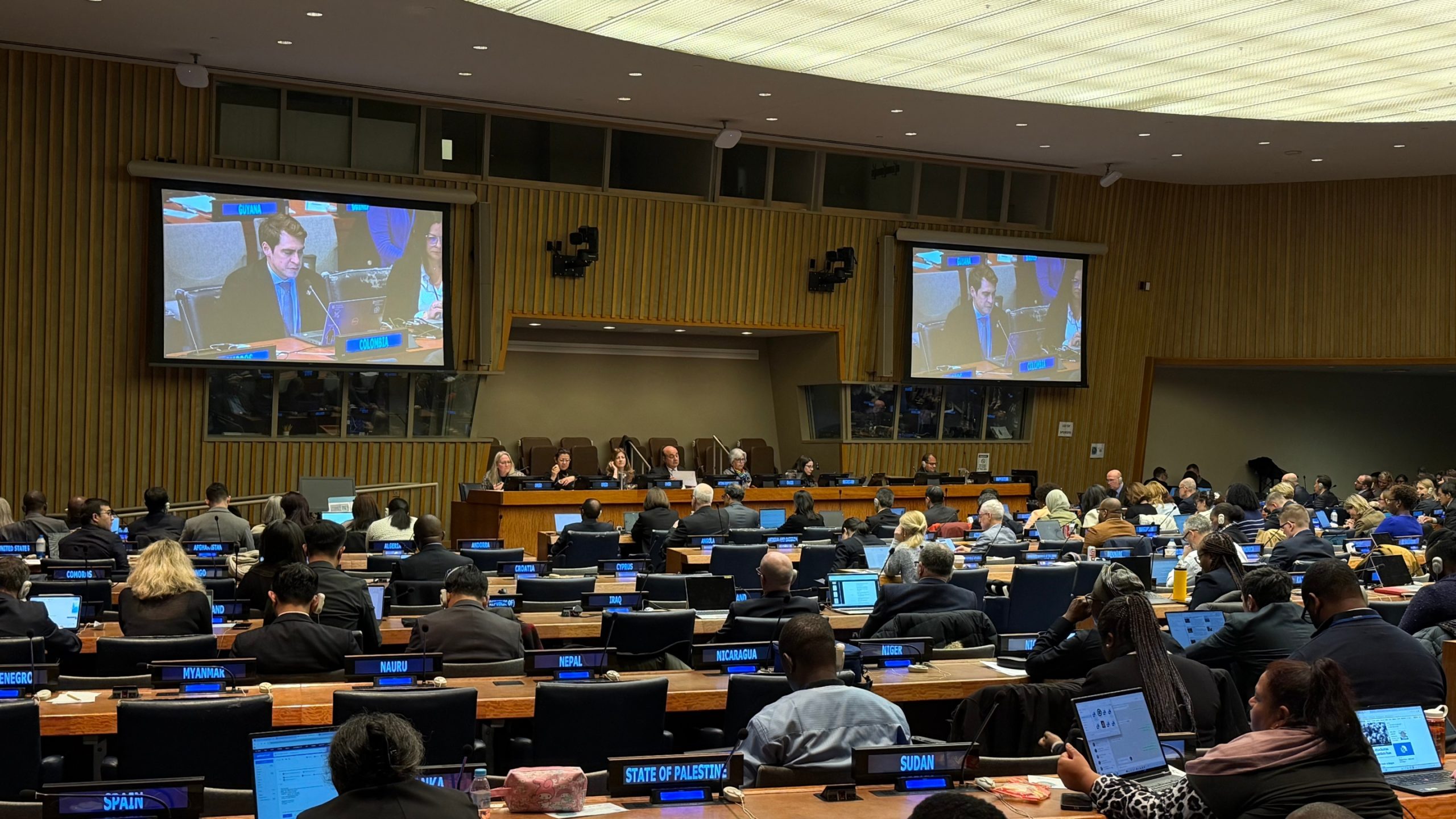
The 57th session of the United Nations Statistical Commission has officially endorsed the Terms of Reference (ToR) for EGRISS’ fourth consecutive mandate, supporting the Expert Group’s programme of work and future priorities. Under agenda Item 4(b), the National Administrative Department of Statistics (DANE) of Colombia introduced EGRISS’ report covering activities untaken during the previous phase (2020-2025), which formally requested an extension of mandate.
In its decision, the Commission recognised the achievements resulting from EGRISS’ members collaborative efforts and reiterated that the IRRS, IRIS, and IROSS are valuable tools to support the production of better harmonised statistics on the populations they refer to. It also recognized the need for a clear and coordinated allocation of resources, requesting that the Expert Group continue to work with countries and international and regional organisations to sustainably build statistical capacity where needed to improve data on forcibly displaced and stateless persons.
The newly approved ToR was developed collaboratively with input from members and Steering Committee. It builds on achievements from previous years and focuses squarely on enabling implementation of the three set of International Recommendations. The mandate is envisioned to run until at least the end of 2030, in alignment with the 2030 Agenda for Sustainable Development. The work is organised around four core objectives.
Broad support from countries
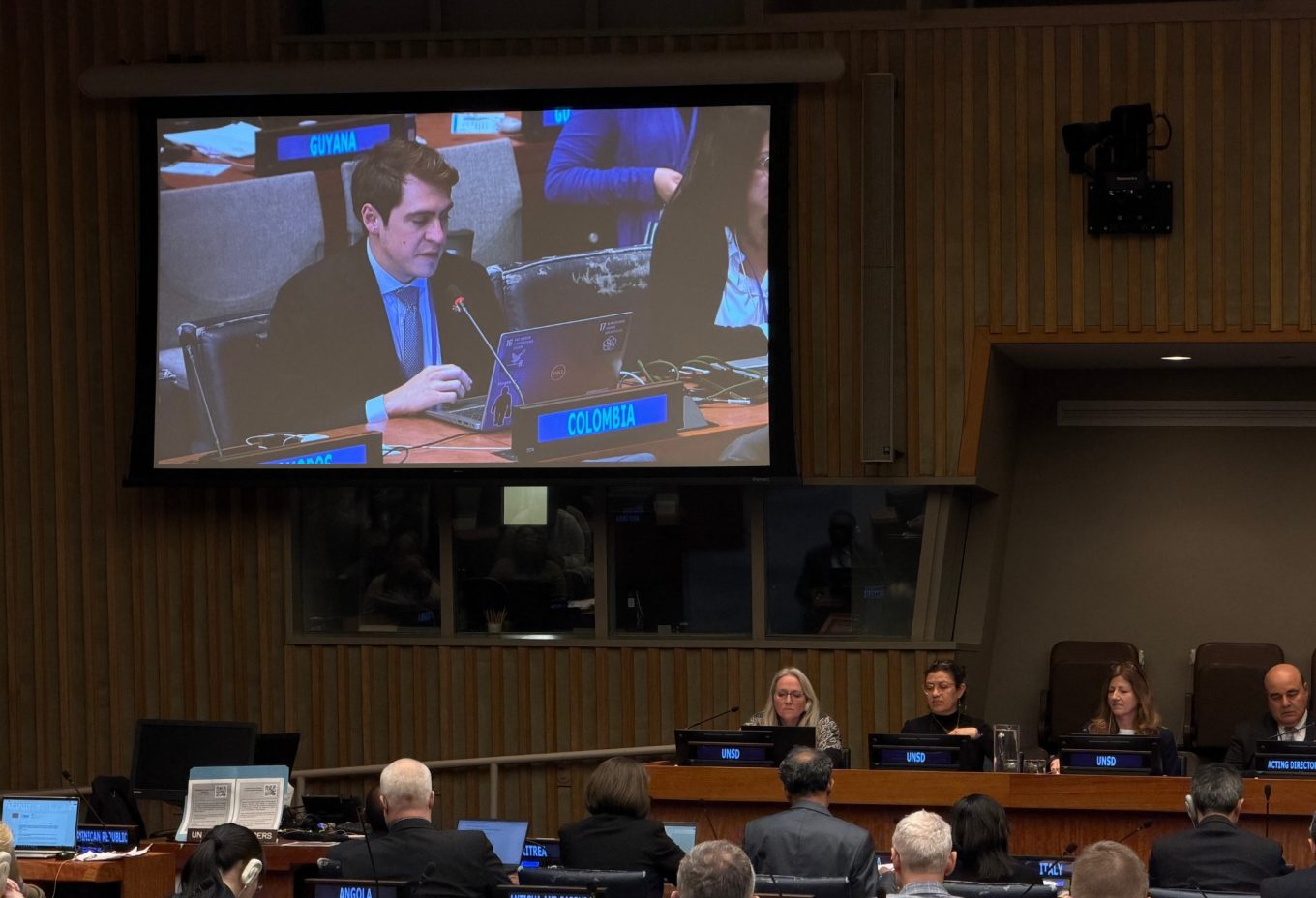
Member States and international organisations submitted written expressing their views on the report. Contributors pointed to priorities for the road ahead, including sustained capacity-building, stronger regional coordination, and ensuring that statistics translate into concrete, people-centred solutions. All comments, including from non-EGRISS members, recognised the Group's collective achievements and supported the Commission’s endorsement of the new ToR and future work priorities. For instance, Portugal commended the Global Annual Inclusion Survey results and the methodological research papers produced. Nigeria, on behalf of the African Group, praised EGRISS' regional engagement across the continent, while Poland shared its experience hosting the October 2025 All Members Meeting. The Philippines and Egypt reaffirmed their long-standing commitment to the Group's work.
Side-event celebrating EGRISS 10 Years
Co-organised by EGRISS and Statistics Norway, the side event “Transforming statistics on refugees, IDPs and statelessness: A decade of collaborative progress and future priorities” brought together speakers from national, regional, and international organizations to showcase ten years of progress. Sarah Omache (Kenya National Bureau of Statistics) presented the country’s efforts to integrate refugee statistics into national surveys and censuses, Dwight Leal (INEGI, Mexico) highlighted the development of Mexico's first IDP-specific datasets and the impact of the EGRIS All-Members Meeting in Warsaw, Rolando Ocampo (ECLAC) described the endorsement of the regional practical guide on forced displacement statistics for Latin America and the Caribbean, aligning national systems with global EGRISS standards.
Completing the panel, Olivier Dupriez (World Bank) outlined the Bank's contributions to EGRISS and the added value of the Group from the Bank’s perspective, while, Natalia Baal (EGRISS Secretariat) summarized the group's decade of achievements and outlined priorities for the upcoming fourth mandate, including updating recommendations, deepening regional engagement, and strengthening the link between statistics and policy impact. Moderator Vebjørn Aalandslid (Statistics Norway) concluded that significant progress has been made in mainstreaming forced displacement into national statistical systems, but challenges around funding, coverage, and the use of data for actual policy decisions remain, making a renewed EGRISS mandate both timely and essential.
Annual Meeting of the High-Level Steering Committee
On March 4th, in the margins of the Commission, EGRISS convened its Annual High-Level Steering Committee meeting, hosted by the World Bank. Presentations from DANE, Eurostat, the Philippine Statistics Authority, and STATAFRIC illustrated the breadth of implementation across regions, before giving way to frank discussions about what lies ahead, amid a rapidly shifting geopolitical and financial landscape. Three themes emerged with particular force: the importance of standardising survey identification questions for refugees, IDPs, and stateless persons across global data collection tools; the need to document and communicate the policy impact of statistical progress, not just its technical dimensions; and the collective imperative to pool institutional strengths and diversify funding as the traditional donor landscape contracts. The meeting closed with a reaffirmation of shared purpose. In the words of host Maria Dimitriadou, World Bank’s Special Representative to the UN and Head of Multilateral Affairs: "to leverage complementary strengths in pursuit of leaving no one behind.”