
Mexico
The 2025 Intercensal Survey as a foundation for strengthened IDP statistics
Internal displacement has been documented in Mexico since the 1970s. Violence related to organised crime saw significant increases in the 2010s and an even larger wave beginning in 2016–2017 that has not fully subsided. Yet formal recognition of the phenomenon by the federal government did not come until 2019 when the Ministry of Interior, empowered by the new administration’s commitment to human rights, issued a report acknowledging internal displacement in the country. This recognition created both political space and institutional demand for improved statistics on internally displaced persons (IDPs).
Since then, legislative activity has accelerated. In September 2020, the Chamber of Deputies unanimously approved the General Law to Prevent, Address and Comprehensively Repair Internal Forced Displacement, which would create a National Registry of Displaced Persons and implement a National Mechanism for prevention and durable solutions. However, the bill has remained stalled in the Senate. At the state level, several legislatures have approved their own IDP laws.
This evolving policy landscape has enabled the National Institute of Statistics and Geography (INEGI) to advance methodological work on identifying IDPs and including them in national statistical instruments. These efforts started with the 2021 Survey to Characterize the Population in Internal Forced Displacement Situations (ECADEFI) in Chihuahua, one of the states most affected by violence, which presented an opportunity for INEGI to become accustomed with the International Recommendations on IDP Statistics (IRIS). Since then, important steps have been taken to enable more nationally representative data on IDPs, with the inclusion of an identification question in the 2025 Intercensal Survey as key milestone.
The 2025 Intercensal Survey
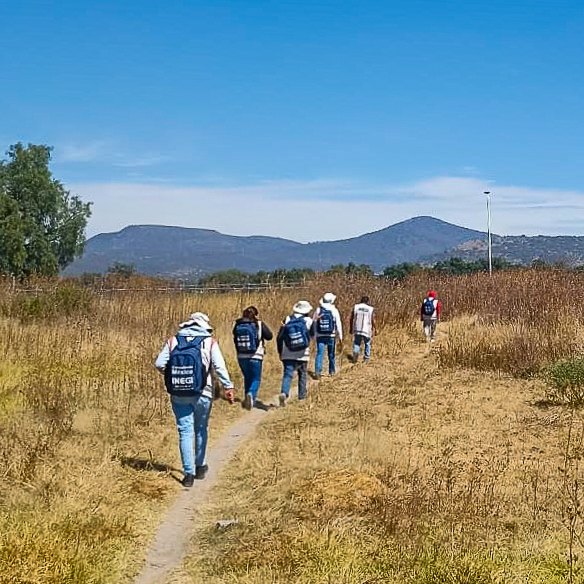
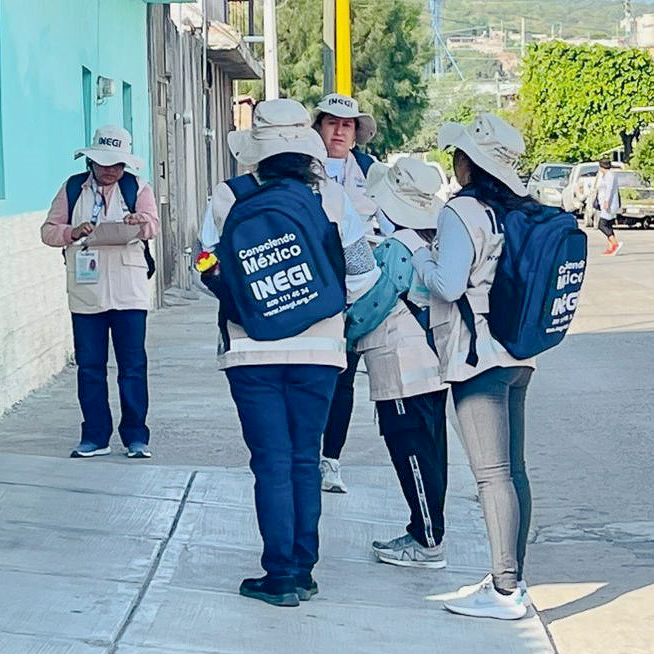
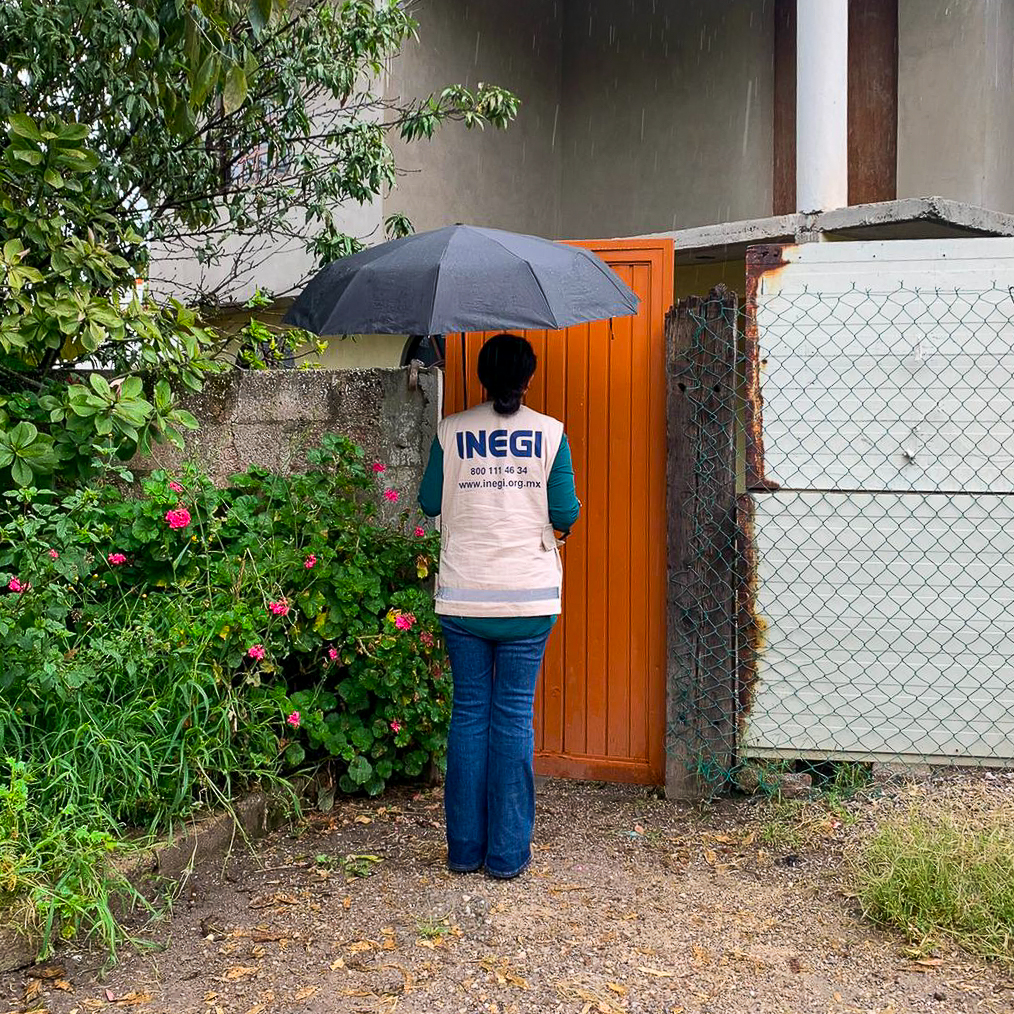
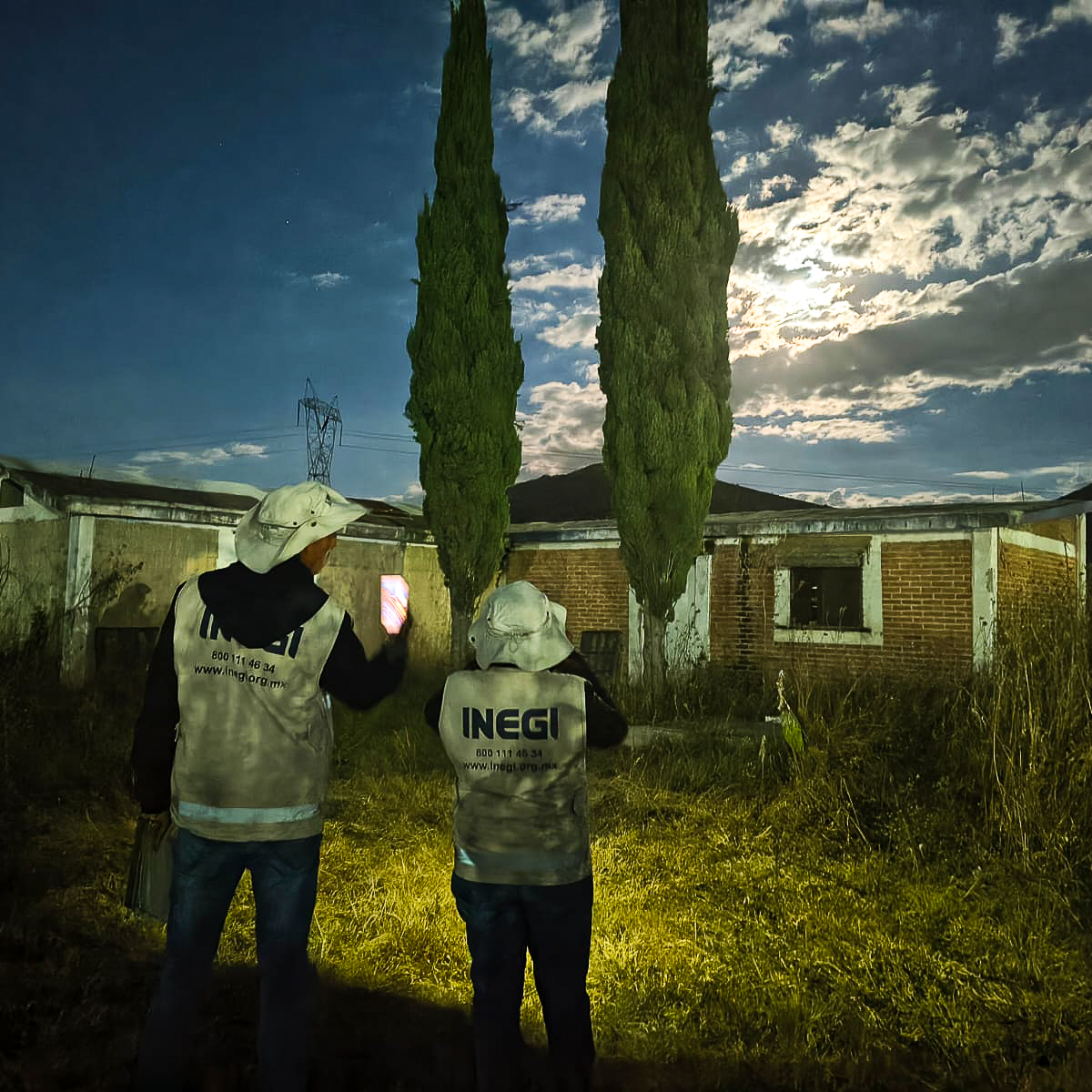
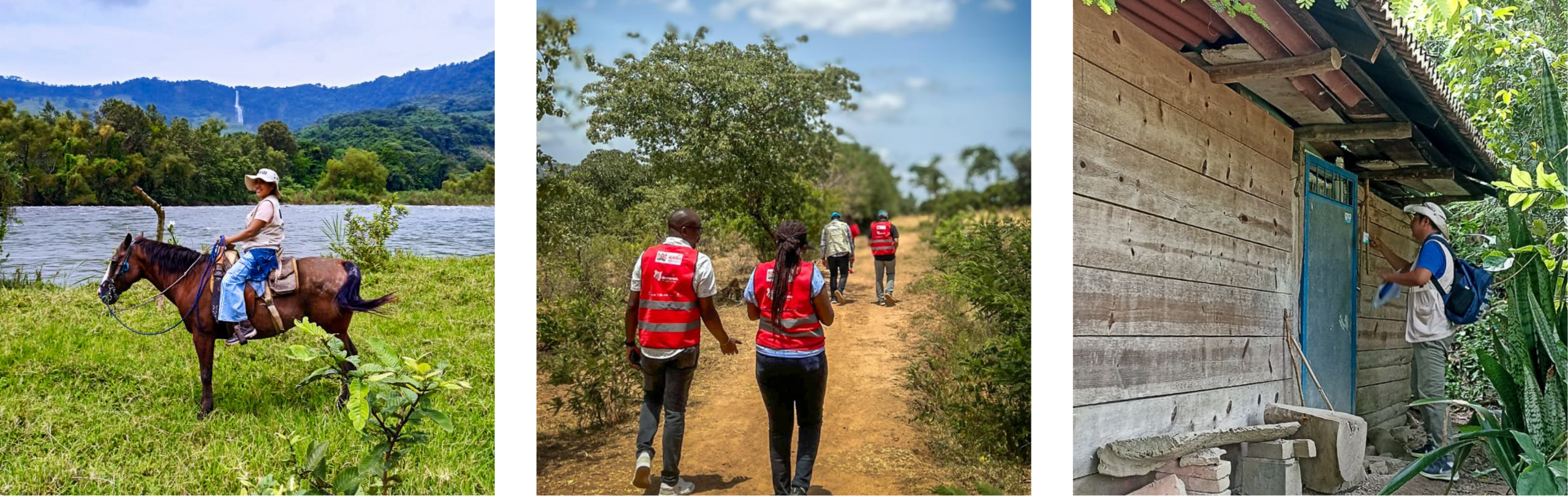
Since 1995, INEGI has conducted the Intercensal Survey (EIC), a mid-decade update of the National Population and Housing Census (CNPV). In 2025, after some uncertainty around scope and budget allocation, more than 44,000 interviewers conducted the EUC through face-to-face interviews with over seven millions households over an eight week period in the second half of the year (between October 6 and November 14) using tablet-assisted data collection. Given the overall sample size, questions to identify IDPs were incorporated as the survey presented a critical opportunity to produce representative data on displaced populations across the country’s diverse geography.
One methodological limitation, however, is already acknowledged – the survey instrument captures movements across administrative boundaries, between municipalities or states, but cannot identify displacement within the same municipality. This matters particularly in northern Mexico, where municipalities can be geographically very large.
Use of the International Recommendations
The IRIS have shaped INEGI’s approach across multiple dimensions. Primarily, they have empowered INEGI to pursue statistical inclusion of IDPs in regular national surveys and provided guidance to this overall strategy, instead of embarking on dedicated ad hoc surveys to uncover the issue. Beyond the technical dimensions, engagement with IRIS has helped INEGI conceptualize displacement as a multidimensional phenomenon requiring measurement across different surveys and time periods.
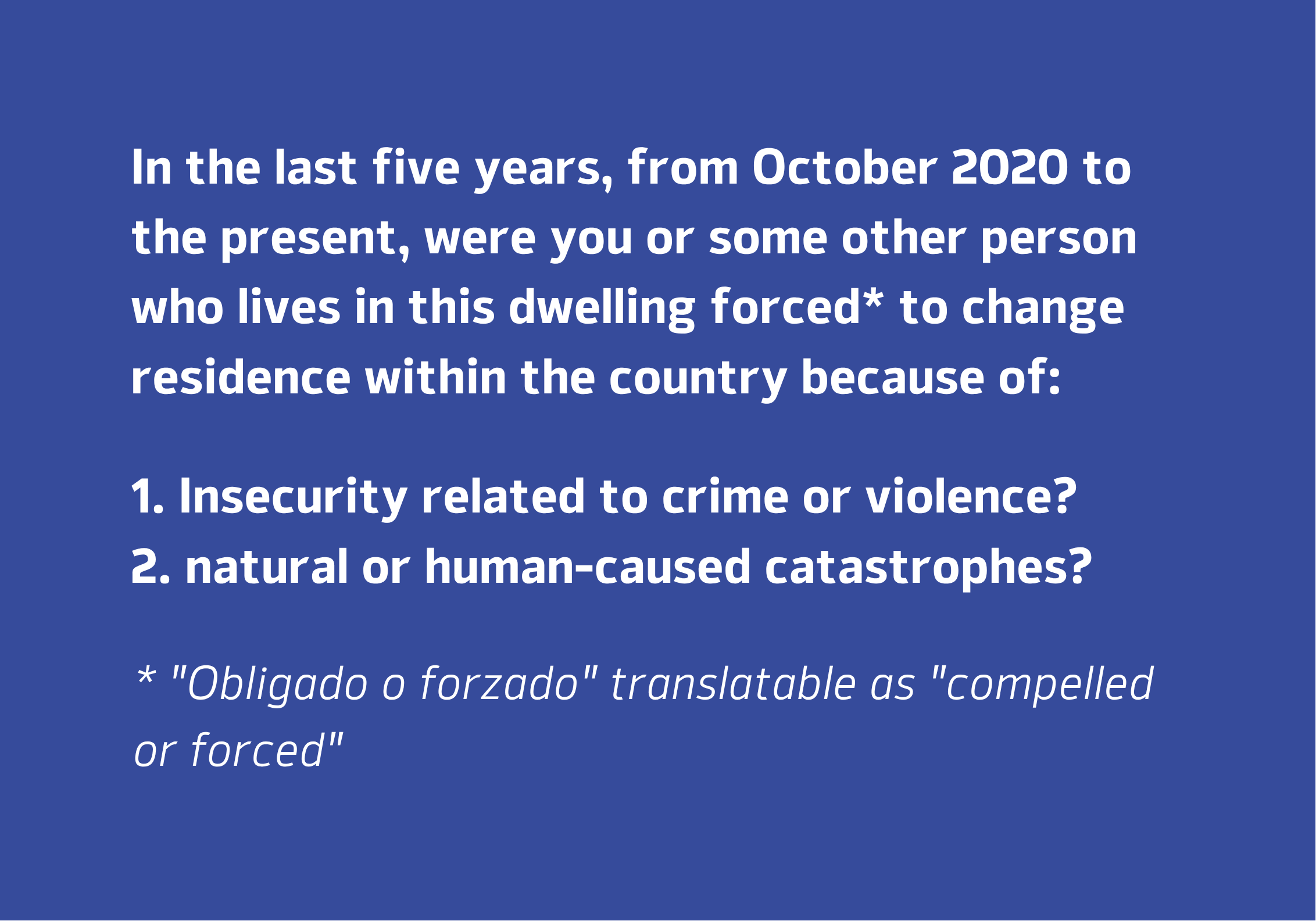
For questionnaire design, the IRIS guidance informed the two-cause structure adopted in the EIC 2025, clearly distinguishing displacement due to violence and insecurity from displacement caused by natural or human-caused catastrophes. The question text asks whether, in the last five years from October 2020 to the present, the respondent or another household member was forced to change residence within the country because of these causes.
Results
Results were released in September 2026. A dedicated chapter chapter to internal displacement shows that 1.5% of households in the country had at least one member who was forced to leave home, from either cause. Violence drove more than three times as much displacement as disasters. Rates varied widely between states.
Households affected
1.5%
of households had at least one member forcibly displaced within Mexico in five years
Crime, insecurity or violence
Natural or human-made disasters
Share of households with at least one member forcibly displaced, by state
The disaster segment is the difference between the total and the violence figure published for each state.
Policy impact and future plans
The Intercensal Survey results are anticipated to influence policy at multiple levels, including the bill currently working through Congress to create a national IDP registry. The results are a key input for federal government planning of social programmes and for budget allocation to states and municipalities. At the state level, these results are likely to encourage more legislatures to approve IDP bills and agencies to develop programs and policies targeting communities that shelter IDPs. Municipal-level IDP estimates represent a particularly valuable advance: previous data sources could only characterize displacement at the national or state level, but the EIC 2025 enables estimates for individual municipalities. This geographic precision could support more targeted interventions and better coordination across jurisdictions.
INEGI plans to use the results to refine displacement-related questions and sampling strategies for other surveys, including the National Victimization and Public Security Perception Survey (ENVIPE). However, as ENVIPE is designated as a programme of ‘National Interest Information’, any changes will require extensive public consultations, designed to protect data quality and comparability over time, which may present a hurdle to the adaptation required.
Other surveys under consideration include the monthly employment survey that would enable measurement of labour market integration of IDPs over time (a key dimension of long-term solutions for displaced populations) and the biennial household income and expenditure survey that would provide comparative analysis of poverty between displaced and non-displaced populations. In addition, the National Survey on the Dynamics of Household Relationships (ENDIREH), one of the world’s most comprehensive surveys on violence against women, presents a third opportunity to enhance policy-relevant knowledge on internal displacement and how it intersects with violence against women for the 2031 edition. Lastly, planning has begun for expanded IDP-related questions in the 2030 Census.
Conclusion
Mexico’s experience illustrates both the challenges and opportunities that national statistical offices face when measuring politically sensitive phenomena. Budget constraints have required strategic prioritization, sometimes forcing difficult choices about which questions can be included in which surveys. Political will, an enabling policy environment and proactive technical leadership need to be carefully balanced. In Mexico, the official recognition of displacement in 2019 alongside wider policy dialogue around migration, created a clear demand for robust official statistics on migration and displacement. Combined with sympathetic and strategic leadership within INEGI, an institution already familiar with the existing international statistical recommendations, resulted in key opportunities being undertaken to improve IDP measurement.
COVER PHOTO: More than 44,000 interviewers visited around 7 million homes across the
country. ©INEGI